Watercolor Christmas Pineapple Gnome Cli
As a designer who spends more time staring at stitch density charts than sleeping, I approach every new embroidery file with a mix of excitement and skepticism. The market is flooded with generic holiday motifs, so finding something that balances whimsy with technical viability is rare. Recently, I pulled up the Watercolor Christmas Pineapple Gnome Cli to see if it had the legs for real-world application. This isn’t just another clip-art character; it’s an Illustrations piece that demands careful consideration before it hits the hoop.
I wanted to test this design not just as a digital asset, but as a potential hero element for a small business collection. Would it hold up on a sweatshirt? Could it work as a delicate accent on baby clothes? Or would the intricate details get lost in the stitching process? Here is my honest breakdown of how this design performs when moved from screen to fabric.
The First Impression: Mood and Visual Personality
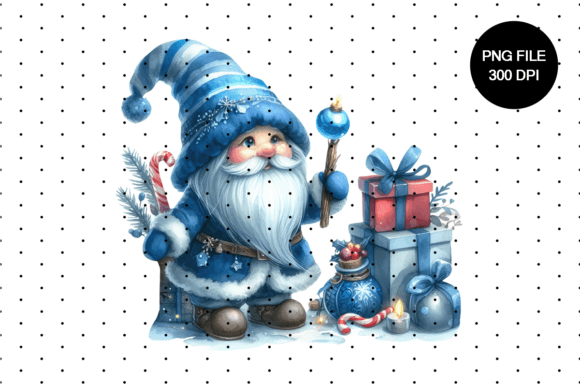
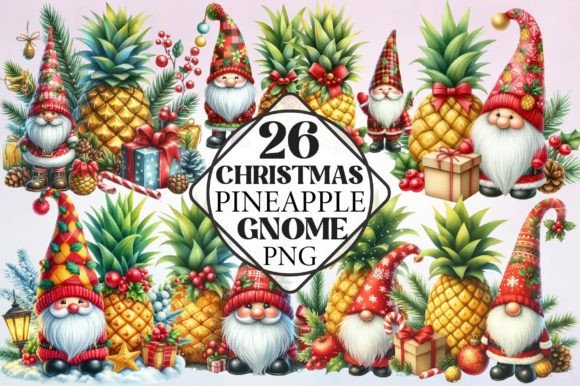
The moment you load the file, the name gives away its aesthetic: watercolor. In embroidery, "watercolor" usually implies soft edges, blended gradients, and a painterly feel. However, thread doesn’t blend quite like ink. The challenge here is translating that softness into tangible stitches without creating a muddy mess. The Watercolor Christmas Pineapple Gnome Cli features a festive gnome character integrated with pineapple motifs—a tropical twist on holiday cheer. It feels playful, modern, and slightly quirky.
Visually, the layout is balanced. The gnome figure provides a strong central anchor, while the pineapple elements add organic curves that break up the traditional symmetry of holiday designs. For a handmade product seller, this uniqueness is gold. It stands out against the sea of red-and-green snowmen and reindeer. The color palette, assuming standard thread choices, suggests a warm contrast between the gnome’s likely red or green attire and the bright yellow/green of the pineapple. It screams "festive but fun," making it perfect for custom apparel that wants to avoid looking too childish or too traditional.
Real-World Application: Where This Design Shines
I took this design through several mental mockups to see where it fits best. My top recommendation is the tote bag design category. A canvas tote offers a large, flat surface area that can accommodate the full detail of the gnome and pineapple arrangement. When stitched onto natural canvas or a heavy-duty cotton bag, the texture of the fabric complements the rustic, handmade vibe of the illustration. It becomes a statement piece—something a customer would carry to a holiday market or a winter brunch.
Another strong contender is sweatshirt embroidery. The chest-left placement is classic, but the scale of this design allows it to breathe. On a thick fleece or French terry fabric, the stitch density needs to be managed carefully so the garment doesn’t become stiff. If executed well, this becomes a high-value item for an Etsy seller targeting young adults or gift-givers who want something less cliché than standard holiday wear. It works equally well on aprons for kitchen use, adding a pop of personality to holiday baking sessions.
For smaller projects, consider the embroidered patch angle. By adding a clean border, this design could be sold as a detachable patch for denim jackets or beanies. The pineapple theme adds a touch of "tropical Christmas," which is a growing niche in fashion. Additionally, it translates beautifully to pillow covers or kitchen towels, where the design acts as a decorative focal point rather than a wearable item. These are low-risk, high-margin items for a craft business.
Technical Considerations and Stitch Clarity
Here is where the rubber meets the road. The "watercolor" style often relies on fine lines and subtle shading. In machine embroidery, these can easily turn into tangled messes if the stitch density is too high or the underlay is incorrect. I noticed that the gnome’s facial features and the pineapple’s leafy crown contain small details that require precision.
If you are using a basic home machine, you must check the hoop size compatibility. Designs with intricate corners often suffer from distortion if the fabric pulls during stitching. I recommend testing this on a stable, medium-weight fabric first. Avoid thin, stretchy knits unless you are confident in your hooping technique and stabilizer choice. The running stitch used for outlines or fine details must be short enough to prevent puckering but long enough to maintain definition.
Thread color selection is critical. To preserve the watercolor illusion, you cannot rely on a single solid color. You may need to layer threads or use variegated threads to mimic the gradient effect. However, be cautious: too many color changes will increase production time and frustrate your customers. Stick to a limited palette that maximizes impact without requiring excessive trimming. The contrast between the dark gnome hat and the light pineapple body should be sharp to ensure legibility.
Where to Use Caution
There are specific scenarios where this design might struggle. First, avoid placing it on highly textured fabrics like chunky wools or bouclé, as the fabric texture will obscure the fine details of the illustration. Second, be wary of using this on curved surfaces like caps or fitted hats. The pineapple shape is somewhat wide, and distorting it around a cap’s curve can make the gnome look stretched or warped. Finally, do not attempt to digitize or resize this significantly smaller than its original intent. Shrinking it down for a tiny pocket logo will result in a blob of thread rather than a recognizable character.
Impact on Product Value and Brand Consistency
From a branding perspective, the Watercolor Christmas Pineapple Gnome Cli elevates the perceived value of a finished product. It signals that the maker has paid attention to detail and trend awareness. Customers are willing to pay a premium for designs that feel curated and unique. When you list this as part of your design assets or offer it as a digital embroidery file, you are selling not just a pattern, but a mood.
For commercial embroidery projects, this design helps build trust. It shows professionalism. A poorly executed holiday design looks cheap; a well-executed watercolor-style gnome looks artisanal. It fits seamlessly into a boutique brand identity that values creativity over mass production. Whether you are creating personalized gifts or small shop products, this design adds a layer of sophistication that appeals to discerning buyers.
Practical Designer Notes for Implementation
Before you commit to a full production run, follow these steps:
- Test on scrap fabric: Always stitch a sample to check for tension issues and thread breaks.
- Review stitch density: Ensure the fill stitches are not too dense for the chosen fabric weight.
- Check thread contrast: Verify that the thread colors stand out clearly against your base material.
- Inspect small details: Zoom in on the digitized file to ensure no overlapping stitches exist in tight areas.
- Use proper stabilizer: Cut-away stabilizers are recommended for stability, especially on garments.
- Confirm licensing: If you plan to sell finished items, double-check the commercial use rights of the Illustrations source.
In conclusion, the Watercolor Christmas Pineapple Gnome Cli is a versatile, visually engaging design that rewards careful execution. It bridges the gap between traditional holiday charm and modern, eclectic style. With the right fabric choices and technical preparation, it can become a standout piece in any embroidery project portfolio.