Watercolor Christmas Cute Tiger Clipart Review
As a designer who spends more time looking at stitch density charts than actual snowfall, I approach every new digital asset with a healthy dose of skepticism. The market is flooded with "cute" holiday graphics, but few translate well from a screen to a needle. When I first pulled up the Watercolor Christmas Cute Tiger Clipart, my immediate thought wasn't about how adorable it looked on a monitor, but rather: How will this hold up in satin stitch?
This review is for the practical maker—the Etsy seller, the boutique owner, and the hobbyist who needs to know if this design will actually work in a real-world embroidery project before they commit to buying or using it. We are going to look past the pretty colors and discuss the structural integrity, the mood, and the commercial viability of this illustration when converted into a physical machine embroidery design.
First Impressions: Mood and Visual Personality
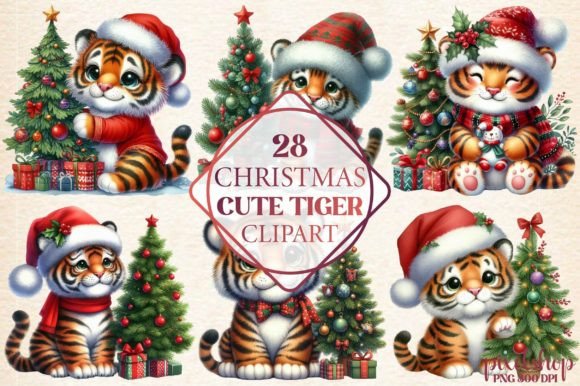
The core strength of this clipart lies in its artistic style. Unlike rigid vector shapes that can sometimes feel sterile or overly geometric when stitched, the watercolor aesthetic brings a softness that is incredibly appealing for holiday-themed products. The tiger motif strikes a balance between playful and cozy. It isn’t just a generic animal; it has a distinct personality that feels hand-drawn and organic.
For a small business owner, this visual personality is gold. Customers today are moving away from mass-produced, uniform aesthetics. They want items that feel like they were made by human hands. The slight irregularity of the watercolor bleed mimics the imperfections of handmade goods, which builds an instant emotional connection with the buyer. Whether you are creating a personalized gift for a child’s first Christmas or a trendy accessory for a teen, this design carries a warmth that standard clipart simply cannot match.
The composition is clean enough to allow for clear stitching paths, yet detailed enough to showcase thread texture. This is crucial because embroidery is a tactile medium. If a design is too flat, it looks like a print. If it is too busy, it becomes a muddy mess of thread. This tiger sits right in that sweet spot where the eye is drawn to the face and the festive elements without getting lost in noise.
Real-World Application: Where Does This Design Shine?
Let’s talk about where this embroidery file would actually sell. In my experience, certain designs have natural homes. The Watercolor Christmas Cute Tiger Clipart feels most at home on soft, absorbent fabrics that complement its gentle vibe.
Baby Items and Nursery Decor: This is perhaps the strongest use case. A onesie, a receiving blanket, or a nursery wall hanging featuring this tiger would be a top-tier product. The soft watercolor tones do not overwhelm the delicate nature of baby garments. When digitizing this for a baby embroidery project, you would likely want to focus on the central figure, ensuring the stitches are smooth and free of sharp angles that might irritate sensitive skin. The festive theme makes it a perfect holiday gift for new parents, tapping into the high-demand seasonal market.
Holiday Apparel and Accessories: Think beyond the obvious t-shirts. This design works beautifully on canvas tote bags, flannel shirts, and even knit beanies. For a tote bag design, the contrast between the sturdy fabric and the delicate embroidery adds a layer of perceived value. It elevates a simple canvas bag into a keepsake item. Similarly, for sweatshirt embroidery, placing this on the chest pocket area or centered on the back creates a statement piece that feels both cozy and stylish. The watercolor effect translates surprisingly well to thicker threads, adding depth that flat prints lack.
Home Goods and Kitchen Textiles: Do not overlook the potential for home decor. Tea towels, aprons, and pillow covers are excellent candidates. A kitchen towel embroidered with this tiger could serve as a unique hostess gift or a charming addition to a farmhouse-style kitchen. The durability of embroidery ensures that these items remain beautiful wash after wash, unlike printed designs that fade. For the craft business owner, these items often have higher profit margins because they are seen as functional art rather than disposable goods.
Technical Considerations and Stitching Challenges
While the visual appeal is high, we must address the technical realities of turning this digital embroidery file into a finished product. Not all designs are created equal, and some require careful handling.
Small Hoop Sizes: One of the biggest pitfalls in embroidery is trying to cram too much detail into a small space. If you attempt to stitch this design in a hoop smaller than four inches, you risk losing the definition of the tiger’s features. The watercolor edges may become jagged or indistinct. Always test your hoop size constraints early. If you need a smaller size, consider simplifying the background elements or focusing solely on the tiger’s head.
Textured and Stretchy Fabrics: While this design looks great on cotton and linen, it can struggle on highly textured fabrics like chunky knits or bouclé. The needle may skip, or the stabilizer may not adhere properly, leading to puckering. Similarly, stretchy fabrics like jersey require a heavy-duty cut-away stabilizer to prevent distortion. If you are working with a stretchy fabric, ensure you are using the correct backing so the final finished product retains its shape.
Dense Stitch Areas: Pay close attention to the stitch density in the darker areas of the watercolor effect. If the digitization uses too many fill stitches in a small area, the fabric may become stiff and uncomfortable to wear. This is particularly important for custom apparel where comfort is key. You want the embroidery to enhance the garment, not turn it into a board. Check the underlay stitches to ensure they provide stability without adding unnecessary bulk.
Thread Color Contrast: The success of this design hinges on color choice. Watercolor implies soft gradients, but thread is solid. To mimic this effect, you must choose thread colors carefully. Using a slightly lighter shade for highlights and a deeper tone for shadows can create the illusion of blending. However, if you place light threads on a dark fabric, or vice versa, the design will lose its subtlety. Always compare light and dark fabric backgrounds during your testing phase to ensure readability.
Practical Designer Notes for Success
- Test on Scrap Fabric: Never run a full production batch without testing the design on the exact fabric you plan to sell. Watch how the needle interacts with the material and check for any pulling or misalignment.
- Inspect Small Details: Zoom in on the digitized version. Are the tiny details, like the eyes or decorative elements, large enough to be stitched clearly? If they are too small, they will just look like blobs of thread.
- Check Licensing: Before listing this as a commercial embroidery item, verify the license terms. Some clipart allows personal use only, while others permit selling finished goods. Protect your small shop product listings by ensuring you have the right to sell items made with this design.
- Use Proper Stabilizer: The choice of stabilizer can make or break the look. For delicate fabrics, a tear-away might suffice, but for durable items like embroidered patches or tote bags, a cut-away stabilizer is essential for longevity.
- Create Printable Mockups: Use this design asset to create high-quality mockups for your online store. Show potential buyers how the embroidery project looks on different products. Visuals drive sales, and showing the texture of the thread helps build trust.
Final Verdict: Is It Worth the Investment?
The Watercolor Christmas Cute Tiger Clipart is a strong contender for any designer looking to add a touch of whimsy and warmth to their holiday collection. Its greatest asset is its versatility across multiple product categories, from intimate baby gifts to bold fashion statements. However, its success depends entirely on your execution. By paying attention to stitch density, fabric choice, and proper stabilization, you can transform this digital illustration into a tangible, high-value handmade product.
For the Etsy seller or creative entrepreneur, this design offers a way to stand out in a crowded market. It appeals to the desire for uniqueness and quality. Just remember to manage expectations regarding the translation of watercolor effects into thread. With careful planning and testing, this tiger can become a signature element of your brand, bringing joy to customers and value to your business. It is not just a clipart image; it is a foundation for a successful embroidery project that resonates with the spirit of the season.