Christmas Reindeer Postage Stamps Embroidery Review
As a designer who spends more time staring at stitch patterns than sleeping, I approach every new digital asset with a healthy dose of skepticism. The market is flooded with generic clip art disguised as embroidery files, and too often, what looks charming on a screen falls apart under the needle. Recently, I pulled Christmas Reindeer Postage Stamps from the Illustrations category to see if it had the legs for real-world application. After running several tests on scrap fabric and mockups for potential client projects, here is my honest breakdown of how this design performs in practice.
The First Impression: Nostalgia Meets Modern Craft
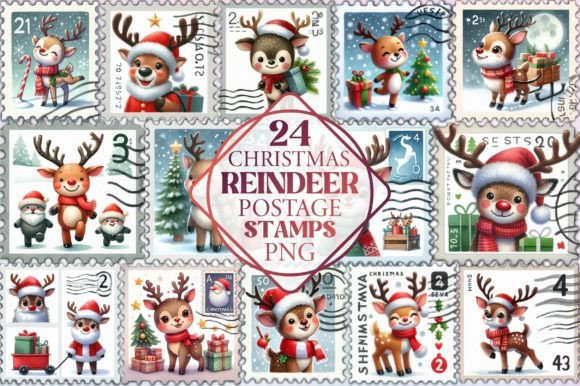
The moment you open the file, the mood is immediately established. This isn’t just a reindeer; it’s a character wrapped in vintage postal aesthetics. The layout mimics a classic postage stamp, complete with perforated edges and a central figure that feels both whimsical and structured. For designers looking to tap into the "cottagecore" or "vintage holiday" trends, this is gold. It evokes a sense of nostalgia without feeling dated, which is a delicate balance to strike.
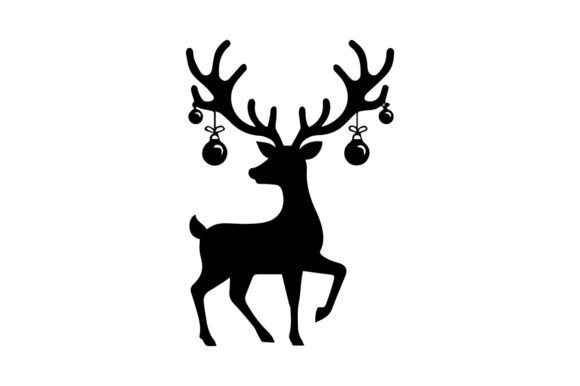
Visually, the design relies heavily on clean lines and distinct shapes. This is crucial for machine embroidery because complex gradients or overly fine details often get lost in the thread. Here, the bold outline of the reindeer and the blocky text elements suggest a design that prioritizes readability and shape recognition over intricate shading. It feels like a design meant to be seen, not just felt.
Real-World Application: Where Does It Fit?
I tested this design across a variety of common small business products to see where it truly shines. The versatility of the Christmas Reindeer Postage Stamps motif makes it surprisingly adaptable, but some applications work better than others.
- Tote Bags: This is perhaps the strongest use case. Placing a single stamped reindeer on the front panel of a canvas tote bag creates an instant boutique aesthetic. It pairs beautifully with simple satin stitch lettering for a custom name or a short holiday greeting. The sturdy nature of canvas handles the stitch density well, ensuring the design holds its shape after washing.
- Holiday Apparel: On sweatshirts and t-shirts, the design works best as a chest pocket placement or a small left-chest logo. Because it has a contained, self-contained shape, it doesn’t overwhelm the garment. It feels like a high-end brand mark rather than a mass-produced novelty item. For sweatshirt embroidery, the contrast between the thick fleece and the crisp thread work adds a tactile dimension that customers love.
- Kitchen Linens: Tea towels and aprons are another natural home for this design. The rectangular aspect ratio of a postage stamp aligns perfectly with the long, narrow format of a kitchen towel. When stitched in red and white threads on a checkered or solid linen background, it adds a pop of color without cluttering the space. It’s perfect for holiday embroidery gifts that feel personal yet practical.
- Baby Items: For baby embroidery, such as muslin blankets or onesies, the design needs to be scaled down carefully. When reduced appropriately, the playful nature of the reindeer translates well to nursery decor or baby shower gifts. However, caution is advised regarding thread softness and stiffness, which we will discuss later.
Technical Performance and Stitch Clarity
From a technical standpoint, the execution of this machine embroidery design is thoughtful. The use of fill stitch for the main body of the reindeer provides good coverage, while satin stitch outlines keep the edges crisp. This combination prevents the "mesh" look that can happen when fill stitches are too sparse.
One of the most critical aspects of any embroidery file is how it handles detail. In this design, the smaller elements—like the postmark circles or tiny text—are rendered with sufficient width to remain visible after stitching. If these lines were too thin, they would likely merge together, creating a muddy blob. The designer clearly understood the limitations of the medium.
However, no design is perfect. The dense areas around the reindeer's antlers require careful tension adjustment. If your machine tension is off, you might see puckering on lighter fabrics. This is why testing on scrap fabric first is non-negotiable. You need to ensure your stabilizer choice matches the weight of your final product. For stretchy knits, a cut-away stabilizer is essential to prevent distortion during the wash cycle.
Where to Use With Caution
While this design is versatile, there are specific scenarios where it may not perform as intended. Understanding these limitations will save you time, thread, and frustration.
- Small Hoop Sizes: While the design is compact, attempting to digitize or stitch it in a very small hoop (under 4x4 inches) might compromise the integrity of the outer border. The perforated edge effect might become jagged if the stitches are forced into a tight curve. Always confirm the recommended hoop size before starting.
- Textured Fabrics: Avoid using this on highly textured materials like heavy bouclé wool or shaggy faux fur. The details of the stamp will get lost in the fabric pile. Stick to smooth surfaces like cotton, denim, or polyester blends for the best visual impact.
- Dark Fabrics: If you plan to embroider this on dark backgrounds, you must consider the thread colors. The design relies on contrast. Using light threads on dark fabric requires a higher stitch density to prevent show-through, which can make the finished product stiff. Test your thread colors against your fabric swatch to ensure the reindeer pops.
- Curved Surfaces: Applying this to caps or curved hat panels can be tricky. The flat, graphic nature of a postage stamp might look distorted if not placed carefully on a curved surface. It is generally safer to use this on flat panels like aprons, bags, or shirts.
Impact on Product Value and Branding
For Etsy sellers and craft business owners, the perceived value of a handmade item is directly tied to the quality of the design. A generic snowman clip art screams "cheap," but a thoughtfully composed Christmas Reindeer Postage Stamps design signals professionalism. It suggests that the maker cares about aesthetics and cohesion.
This design enhances brand consistency because it has a distinct identity. It can serve as a recurring motif in a holiday collection, appearing on tags, packaging inserts, and the products themselves. When customers receive a package with matching embroidered branding, it builds trust and encourages repeat purchases. It transforms a simple handmade product into a branded experience.
Final Verdict and Practical Notes
Overall, Christmas Reindeer Postage Stamps is a strong addition to any designer’s library. It balances charm with technical feasibility, making it suitable for a wide range of embroidery projects. Whether you are creating a personalized gift for a friend or stocking shelves for the holiday season, this design delivers.
Before you commit to production, remember these key steps:
- Test First: Always run a test stitch-out on the actual fabric you intend to use.
- Check Licensing: Confirm whether the file allows for commercial embroidery use if you plan to sell the finished items.
- Mockup Wisely: Create printable mockups to visualize the design on different products before investing in materials.
- Inspect Details: Zoom in on the digital file to ensure all paths are closed and no stray nodes exist that could cause stitching errors.
If you are looking for a design that combines festive cheer with professional polish, this one is worth the investment. It’s not just a reindeer; it’s a statement piece that elevates your craft.