Christmas Cat with Lights Clipart Review
As a designer who spends half her life troubleshooting thread jams and the other half worrying about stitch density, I approach every new digital asset with a healthy dose of skepticism. We have all seen clipart that looks adorable on a screen but turns into a tangled mess once it hits the hoop. That is why I treat every review as a pre-flight check for your actual production workflow. Today, I am putting Christmas Cat with Lights Clipart through its paces to see if it holds up in real-world embroidery scenarios.
This isn’t just about whether the cat is cute—though let’s be honest, that helps sales—it is about how this machine embroidery design translates from a vector file or raster image into tangible fabric. I wanted to test how this illustration would perform when applied to high-visibility items like custom apparel, holiday gifts, and boutique merchandise. If you are an Etsy seller, a craft fair regular, or a small business owner looking to expand your design assets, here is my practical breakdown of what works, what needs caution, and where this piece truly shines.
The First Impression: Mood and Visual Personality
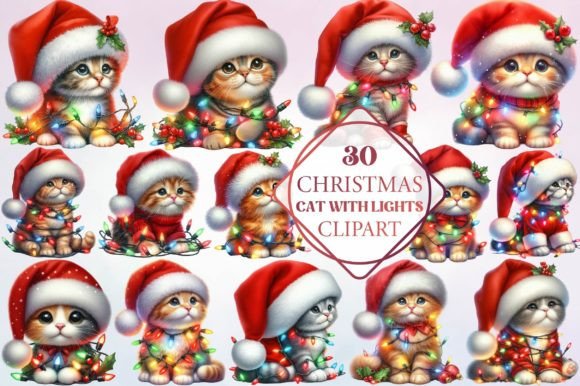
When you first load this embroidery file, the immediate takeaway is warmth. The subject matter—a feline surrounded by festive lights—creates an instant emotional connection. In the world of holiday embroidery, we often rely on traditional symbols like snowflakes or reindeer. This design offers a softer, more whimsical alternative that appeals heavily to modern tastes. It feels cozy, which is exactly the vibe you want for winter-themed products.
Visually, the layout is balanced. The curve of the cat’s body naturally frames the string of lights, creating a cohesive shape rather than scattered elements. For an embroiderer, this continuity is crucial. It means fewer jump stitches and a smoother flow during digitizing. The visual personality is playful but not chaotic. It suggests a handmade product that feels personal and thoughtful, rather than mass-produced. This distinction is vital for building brand consistency and customer trust in a saturated market.
Real-World Application: Where This Design Fits Best
I imagine this Christmas Cat with Lights Clipart finding its home in several specific niches. Let’s look at how it performs in actual project contexts.
- Custom Apparel and Sweatshirts: This design has enough visual weight to stand out on a crewneck sweatshirt or a heavy cotton t-shirt. The contrast between the dark fur of the cat and the bright lights creates a focal point that draws the eye. It works exceptionally well as a chest logo or a centered back print for a boutique holiday collection.
- Baby Items and Nursery Decor: There is something inherently gentle about cats and soft lighting. When converted into an applique design or stitched with soft pastel threads, this becomes a perfect candidate for baby onesies, burp cloths, or nursery wall hangings. Parents are always looking for unique, non-traditional holiday gifts, and this fits that gap perfectly.
- Tote Bags and Aprons: For the craft business owner, versatility is key. A canvas tote bag featuring this design makes for an excellent personalized gift. Similarly, stitching this onto a kitchen towel or apron adds a touch of humor and charm to everyday items. The sturdy nature of these fabrics allows the stitch density to sit nicely without puckering.
- Holiday Gifts and Boutique Products: Whether you are selling finished goods at a craft fair or listing them online, this design has high "giftability." It feels special enough to be wrapped and given, yet accessible enough to be an impulse buy. It elevates simple items like embroidered patches or cap front panels into premium small shop product offerings.
Technical Considerations and Stitch Performance
While the concept is strong, the execution depends entirely on how the design is digitized and stitched. Here is where I need to get technical. Not every element of this clipart will translate equally well to thread.
The satin stitch work around the lights needs to be crisp. If the digitizer does not pay attention to underlay, those light bulbs might look blobby or distorted. You want each bulb to pop slightly against the background, which requires careful thread colors selection. High-contrast thread choices are essential here. A white or gold satin stitch on a dark fabric will yield a much sharper result than low-contrast options.
The fill stitch areas, particularly the cat’s fur, should be evaluated for directionality. Fur flows; static fill blocks can look artificial. Look for designs that use varied stitch angles to mimic natural texture. If the design relies too heavily on dense fills, you risk making the fabric stiff, which is undesirable for wearable items like custom apparel. Aim for a balance where the running stitch details add definition without overwhelming the base structure.
Where to Use This Design Carefully
No design is universal, and this one has limitations. I advise exercising caution in the following situations:
- Small Hoop Sizes: If you are working with a 4x4 hoop or smaller, the fine details of the lights may become indistinguishable. Tiny stitches can merge together, turning distinct bulbs into a muddy line. Stick to medium to large hoops to preserve clarity.
- Textured and Stretchy Fabrics: Avoid using this on highly textured fabrics like boucle wool or thin, stretchy jersey knits unless you are using exceptional stabilizer support. The complexity of the design can get lost in the weave of the fabric, or worse, cause distortion on stretchy materials.
- Dense Stitch Areas: Do not attempt to stitch this over existing seams, zippers, or thick layers of garment construction. The added bulk can cause needle breakage or uneven feeding through the machine.
- Curved Surfaces: While caps are popular, this specific layout might not wrap perfectly around the crown of a hat without significant re-digitizing. Flat surfaces like tote bags, pillow covers, and flat-fronted hats are safer bets for maintaining the intended composition.
Practical Designer Notes for Production
Before you commit to a full production run, follow these steps to ensure quality control:
- Test on Scrap Fabric: Always run a sample on the exact fabric you plan to sell. How does the fabric texture interact with the thread? Does the backing show through?
- Check Thread Contrast: View your mockup in black and white. If the contrast disappears, the embroidery will likely lack impact in person.
- Inspect Small Details: Zoom in on the digitized file. Are the tiny lights separate objects, or are they merged? Merged details often lead to poor results.
- Confirm Licensing: Ensure you have the right to use this digital embroidery file for commercial purposes. Selling finished items requires different permissions than using them for personal gifts.
- Use Proper Stabilizer: The choice of stabilizer (cut-away vs. tear-away) can make or break the longevity of the finished product, especially for items that require frequent washing.
Ultimately, Christmas Cat with Lights Clipart is a charming addition to any designer’s library. It offers a fresh take on holiday themes and provides ample opportunity for creative expression across various embroidery projects. By paying attention to stitch density, fabric choice, and proper testing, you can transform this digital asset into a profitable, professional-grade handmade product that customers will love.